
Cold Chain for Colorado’s Craft Beverage Scene: Refrigerated Transport for Breweries, Cold Brew, and Kombucha
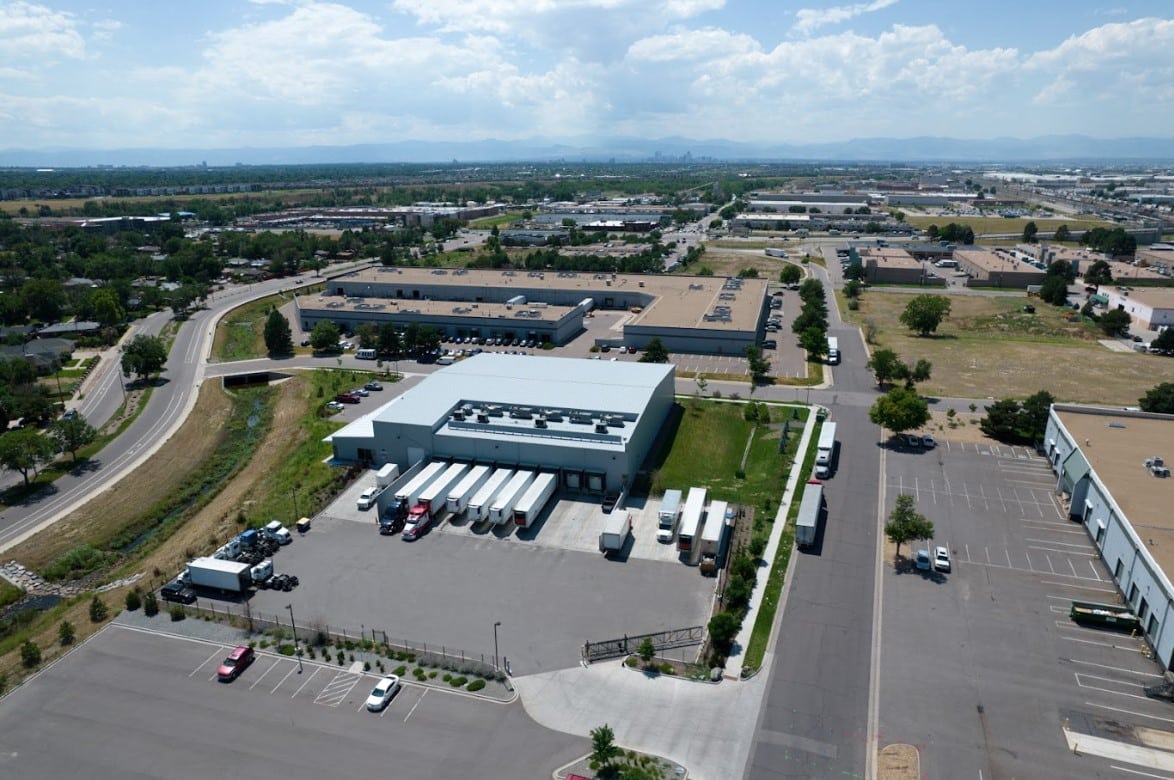
Colorado’s craft beverage makers rely on an unbroken cold chain to protect flavor, carbonation, and food safety from the production floor to the retail cooler. Because craft beer, kombucha, and cold brew coffee are made with live cultures and few preservatives, they need temperature-controlled transport, generally held in the mid-30s to mid-40s Fahrenheit, at every step. Mile Hi Express provides refrigerated and frozen LTL delivery across Denver and the Front Range, so small-batch producers can ship cold without paying for a full truck.
Colorado has built one of the most respected craft beverage cultures in the country, and that reputation lives or dies on temperature. A perfectly fermented sour, a batch of raw kombucha teeming with probiotics, or a keg of nitro cold brew can all be ruined by a few hours in a warm trailer. For producers along the Front Range, the difference between a product that arrives crisp and shelf-ready and one that arrives flat, over-carbonated, or spoiled usually comes down to a single question: did the cold chain hold?
Mile Hi Express is a family-owned refrigerated trucking and warehousing company based in Aurora that has served Denver and the Front Range for over a decade. This guide breaks down what the cold chain really means for craft beverages, the temperature targets for beer, kombucha, and cold brew, the local conditions that make Colorado uniquely demanding, and how refrigerated LTL delivery helps small producers compete without the cost of a dedicated fleet.
Colorado’s Craft Beverage Scene Runs on Cold
Colorado consistently ranks among the top craft-brewing states in the nation, with roughly 450 or more breweries and a statewide economic impact estimated in the billions of dollars, according to the Brewers Association. Even as the national craft beer category contracted in 2025, Colorado producers actually increased output, bucking the trend. And beer is only part of the story. The state’s appetite for kombucha, hard kombucha, cold brew, nitro coffee, cider, and craft soda keeps growing.
What ties all of these products together is that most are made with live cultures or fresh ingredients and little to no preservatives, which makes them far more fragile in transit than a shelf-stable soft drink. For a taproom in Denver’s RiNo district, a kombucha brewery in Boulder, or a cold brew roaster in Colorado Springs, distribution is not simply about getting product from point A to point B. It is about getting it there cold, on time, and in the exact condition it left the production floor.
What Is a Cold Chain, and Why Can’t Craft Beverages Skip It?
A cold chain is a temperature-controlled supply chain that keeps a perishable product within a safe range from production through storage, transport, and final delivery. For craft beverages, breaking that chain even briefly can restart fermentation, spoil live cultures, and push a product out of compliance.
Craft beer, kombucha, and cold brew share a common vulnerability. They are typically unpasteurized or lightly processed, so warmth wakes up the yeast and bacteria that were carefully managed during production. In beer, that shows up as off-flavors, haze, and a loss of the intended flavor profile. In kombucha, rising temperatures accelerate fermentation, which can over-carbonate bottles to the point of leaking or bursting and can even raise alcohol content above legal thresholds. In cold brew, which is less acidic than hot coffee, improper storage invites microbial growth and sour off-notes.
The federal government treats temperature control during transport as a food-safety issue. Under the FDA’s Sanitary Transportation of Human and Animal Food rule, part of the Food Safety Modernization Act, shippers, carriers, and receivers are all responsible for keeping temperature-sensitive food safe in transit by using equipment that can hold the required temperature, training personnel, and keeping records. If anyone in the chain learns that temperature control may have failed, the product cannot be sold until its safety is confirmed. In short, the cold chain is not a nice-to-have for Colorado beverage brands. It is both a legal requirement and a reputational one.
Cold Chain Targets by Beverage Type
Different products have different ideal ranges. Here is a quick reference for the three categories driving much of Colorado’s craft beverage growth, followed by a closer look at each.
| Beverage Type | Recommended Cold-Chain Range | Why It Matters |
| Craft beer and cider | About 38 to 43 degrees Fahrenheit | Protects flavor stability and slows staling, haze, and off-flavors in unpasteurized, hop-forward styles. |
| Kombucha and hard kombucha | About 33 to 40 degrees Fahrenheit | Keeps live cultures dormant and prevents over-carbonation, leaks, and rising alcohol content. |
| Cold brew and nitro coffee | About 35 to 40 degrees Fahrenheit | Prevents microbial growth in low-acid coffee and preserves smooth, fresh-poured flavor. |
Craft Beer and Cider
Most craft brewers treat roughly 38 to 43 degrees Fahrenheit as the target for finished beer in storage and transport. Holding beer near this range protects flavor stability and slows the reactions that dull hop character and introduce stale, cardboard-like notes. Unpasteurized and hop-forward styles are especially sensitive, and every warm-up and cool-down cycle takes a toll. Kegs bound for taprooms and cans headed to retail coolers both benefit from staying cold from the brewery dock to the delivery point.
Kombucha and Hard Kombucha
Raw kombucha should generally be transported and stored cold, often cited in the 33 to 40 degrees Fahrenheit range, to keep its live cultures dormant. Kombucha ferments best at room temperature, which is exactly why it must be kept cold once it is packaged. Warmth restarts fermentation, building pressure inside cans and bottles and risking leaks, bulging, or bursts. For hard kombucha, uncontrolled fermentation can also push alcohol content upward, creating labeling and compliance headaches. Refrigerated transport keeps the product stable, protects carbonation, and preserves the probiotic value that customers are paying for.
Cold Brew and Nitro Coffee
Cold brew and nitro cold brew should be kept refrigerated, commonly around 35 to 40 degrees Fahrenheit, from production through delivery. Cold brew is naturally lower in acid than hot-brewed coffee, which makes it more prone to microbial growth if it warms up. Ready-to-drink cold brew and nitro kegs rely on cold storage to hold flavor and prevent spoilage, and peer-reviewed research on ready-to-drink cold coffee shows that lower temperatures help preserve its sensory qualities over shelf life. For roasters shipping kegs to cafes and offices across the Front Range, temperature control is what keeps that smooth, fresh-poured taste intact.
Why Colorado’s Climate and Geography Raise the Stakes
Colorado’s altitude, dramatic temperature swings, and spread-out Front Range corridor make cold chain execution harder here than in many other states. A few local realities every beverage producer should plan around:
- Wide daily temperature swings. The Front Range regularly sees large gaps between overnight lows and afternoon highs. A trailer that is comfortable at dawn can heat up quickly by midday, so passive coolers and insulated blankets alone often are not enough.
- Hot, high-altitude summers. Summer afternoons in the Denver metro frequently climb into the 90s, and intense high-altitude sun heats vehicle interiors and loading docks fast.
- Distance between markets. Producers routinely move product between Denver, Boulder, Fort Collins, Colorado Springs, Pueblo, and mountain towns. Longer hauls mean more time for temperature to drift.
- Dock and delivery delays. Every minute a pallet sits on a warm dock or waits for a receiver chips away at the cold chain. Reliable scheduling and inside delivery reduce that exposure.
A refrigerated carrier that understands these local conditions can plan routes, pre-cool trailers, and time deliveries to protect product in ways a generic, one-size-fits-all freight solution cannot.
How Refrigerated LTL Keeps Small Colorado Producers Competitive
Refrigerated less-than-truckload (LTL) shipping lets a brewery, kombucha maker, or roaster pay only for the trailer space it uses, sharing a temperature-controlled truck instead of booking a whole one. Most craft producers do not fill a full 53-foot reefer on every run. With refrigerated LTL delivery, several shippers’ pallets ride together in one climate-controlled trailer, which keeps costs proportional to volume and makes frequent, smaller deliveries practical. That is a natural fit for the taproom-to-retail and roaster-to-cafe distribution that defines Colorado’s scene.
Beyond the trailer itself, the right partner offers services that matter specifically for beverages:
- Refrigerated and frozen storage for holding inventory between production and distribution, or for staging seasonal releases.
- Cross-docking and inside delivery so pallets move quickly from truck to cooler with less time in the temperature danger zone.
- Distribution center delivery for producers supplying grocery and retail chains that require appointment-based, dock-compliant drop-offs.
Pairing refrigerated LTL with local storage and delivery means a small brand can offer the same cold, dependable service as a much larger operation.
What to Look for in a Colorado Cold Chain Partner
Choose a refrigerated carrier that can prove it maintains temperature, understands food-transport rules, and knows the Front Range. Before you hand over a load of temperature-sensitive product, check for the following:
- Temperature control you can verify. Ask how the carrier monitors and documents trailer temperatures. Digital temperature logs and GPS tracking create the records that FSMA expects and give you proof of an unbroken cold chain.
- Food-safety awareness. A carrier handling food and beverage should follow sanitary transportation practices, keep equipment clean, and train its team accordingly.
- Local coverage and reliability. On-time pickups and deliveries across the Front Range coverage area limit the time your product spends warming up.
- Flexibility for small batches. LTL capacity, storage options, and inside delivery let you scale service to each release rather than paying for capacity you do not need.
Shipping craft beer, kombucha, or cold brew across Colorado? Talk to Mile Hi Express about refrigerated LTL, cold storage, and local delivery built for temperature-sensitive products. Call 303-296-8465 or request a quote online.
Why Colorado Craft Beverage Brands Choose Mile Hi Express
Mile Hi Express pairs a temperature-controlled fleet and warehouse with hands-on, local service across Denver and the Front Range. The company is family-owned and operated, led by owner Brit Schabacker and managing partner Katya Schabacker, and has spent more than a decade moving refrigerated and frozen freight for Colorado businesses from its Aurora facility. Rather than treating every load like anonymous freight, the team plans around each customer’s product and delivery windows. For craft beverage makers, that means a carrier that handles a pallet of live kombucha or a batch of nitro kegs with the same care the producer put into making it.
| What You Get | What It Means for Your Brand |
| Family-owned, local, and established | A stable Aurora-based team that has served the Front Range for over a decade, not an out-of-state broker. |
| Refrigerated and frozen capacity | Temperature-controlled trailers and warehouse space for beverages that must stay cold or frozen. |
| Refrigerated LTL | Pay for the space you use and ship smaller, more frequent loads without booking a full truck. |
| Cross-docking and inside delivery | Faster transfers and delivery placement that reduce time out of temperature control. |
| Front Range coverage | Pickups and deliveries across Denver, Boulder, Colorado Springs, Pueblo, and surrounding communities. |
| Local storage and distribution | Hold inventory, stage seasonal releases, and supply retail distribution centers through one partner. |
Frequently Asked Questions (FAQs)
What is a cold chain, and why do Colorado craft beverages need one?
A cold chain is a temperature-controlled supply chain that keeps a perishable product cold from production through storage, transport, and final delivery. Colorado craft beer, kombucha, and cold brew are made with live cultures and few preservatives, so any warm-up in transit can restart fermentation, spoil the product, or create food-safety problems. Keeping the chain unbroken protects flavor, carbonation, and shelf life all the way to the customer.
What temperature should craft beer be kept at during transport?
Most craft brewers target roughly 38 to 43 degrees Fahrenheit for finished beer in storage and transport. Staying in this range slows the staling reactions that dull hop character and protects overall flavor stability, which matters most for unpasteurized and hop-forward styles. Every warm-up and cool-down cycle degrades quality, so cold, consistent transport from the brewery to the delivery point is essential.
Does kombucha have to be shipped refrigerated?
Yes. Raw kombucha should be shipped and stored cold, commonly cited in the 33 to 40 degrees Fahrenheit range, to keep its live cultures dormant. Warmth restarts fermentation, which builds pressure inside cans and bottles and can cause leaks, bulging, or bursts. For hard kombucha, uncontrolled fermentation can also raise alcohol content, so refrigerated transport helps protect both product quality and compliance.
How should cold brew and nitro coffee be transported?
Cold brew and nitro cold brew should stay refrigerated, generally around 35 to 40 degrees Fahrenheit, from production through delivery. Because cold brew is lower in acid than hot coffee, it is more prone to microbial growth if it warms up, and ready-to-drink and keg products depend on cold storage to hold their flavor. Temperature-controlled transport keeps that smooth, fresh-poured taste intact for cafes and offices.
What is refrigerated LTL shipping, and why does it help small breweries?
Refrigerated LTL, or less-than-truckload shipping, lets you share a temperature-controlled trailer and pay only for the space your pallets use instead of booking a full truck. This makes frequent, smaller, cold deliveries practical and affordable for craft producers who do not fill a whole 53-foot reefer. Mile Hi Express offers refrigerated LTL across the Front Range so small brands can distribute cold without the cost of a dedicated fleet.
How do Colorado’s climate and altitude affect cold chain transport?
Colorado’s wide daily temperature swings, hot high-altitude summers, and long distances between Front Range markets all make cold chain execution harder here than in many states. A trailer that is cool at dawn can heat up quickly by afternoon, and every mile between Denver, Boulder, Colorado Springs, and Pueblo is more time for temperature to drift. A local refrigerated carrier can pre-cool trailers, plan routes, and time deliveries to keep product cold in these conditions.
What food safety rules apply to transporting craft beverages?
The FDA’s Sanitary Transportation of Human and Animal Food rule, part of the Food Safety Modernization Act, makes shippers, carriers, and receivers responsible for keeping temperature-sensitive food safe in transit. That includes using equipment that can hold the required temperature, training personnel, and keeping records. If temperature control may have failed, the product cannot be sold until its safety is confirmed, which is why documented, reliable refrigerated transport matters.
Does Mile Hi Express serve breweries and beverage makers outside Denver?
Yes. Mile Hi Express provides refrigerated and frozen delivery across Denver and the Front Range, including communities such as Aurora, Boulder, Longmont, Colorado Springs, Pueblo, and the surrounding areas. The team can confirm coverage for your specific pickup and delivery locations. Reach out to check availability for your Colorado beverage brand.
Can Mile Hi Express handle inside delivery and cross-docking for taprooms and distributors?
Yes. Mile Hi Express offers cross-docking and inside delivery so pallets move quickly from the truck to your cooler with less time out of temperature control. The company also provides refrigerated and frozen storage and delivery to retail and food distribution centers. That combination lets craft beverage brands manage storage, staging, and last-mile delivery through one local partner.
How do I get started with refrigerated delivery for my Colorado beverage brand?
Getting started is simple: call Mile Hi Express at 303-296-8465 or request a quote through the contact page with your product type, volume, and delivery locations. The team will help you choose the right mix of refrigerated LTL, storage, and inside delivery for your beverages. As a family-owned Colorado company, Mile Hi Express plans each shipment around your product and your schedule.
Keep Your Colorado Craft Beverages Cold, Every Mile
Ready to protect your product from the brewery or roastery all the way to the shelf? Mile Hi Express delivers refrigerated and frozen LTL freight, cold storage, and local delivery across Denver and the Front Range, backed by more than a decade of family-owned service. Call 303-296-8465 or reach out through our contact page to request a quote and keep your Colorado craft beverages cold from dock to shelf.