
Frozen Storage vs. Refrigerated Storage: Which Is Right for Your Denver Business?
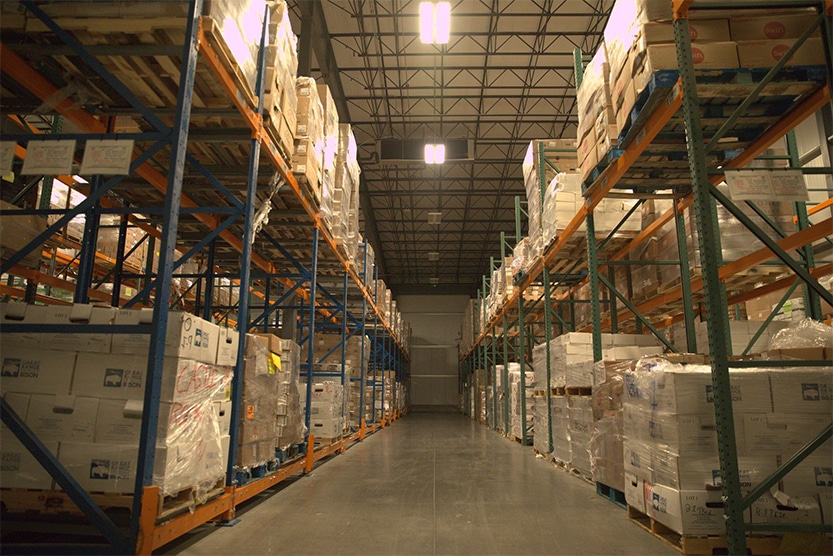
Frozen storage holds products at 0°F or below for long-term preservation, while refrigerated storage keeps products between about 33°F and 41°F for shorter-term freshness. Choose frozen storage for meat, seafood, ice cream, and other items you hold for weeks or months. Choose refrigerated storage for dairy, fresh produce, and other perishables that move quickly and can be damaged by freezing. Many Denver businesses need both, which is why Mile Hi Express offers refrigerated and frozen storage plus temperature-controlled delivery across the Front Range.
Choosing between frozen storage and refrigerated storage comes down to one question: how cold does your product need to be, and for how long? Frozen storage preserves goods at 0°F or below, essentially pausing spoilage for weeks or months. Refrigerated storage holds goods just above freezing, keeping fresh products at their best for days. Getting this decision right protects your inventory, keeps you audit-ready, and controls the cost of running a cold chain in the Denver metro.
Mile Hi Express has served Denver and Colorado’s Front Range for more than a decade as a refrigerated and frozen trucking and storage partner. This guide breaks down how the two storage types differ, which businesses need each one, how local conditions in Denver shape the choice, and how storage connects to the rest of your cold chain.
What Is the Difference Between Cold Storage, Refrigerated Storage, and Frozen Storage?
The terms overlap, which is where the confusion starts. Cold storage is the umbrella term for any space kept below room temperature. Underneath that umbrella sit two working ranges plus an optional third:
- Refrigerated (chilled) storage: roughly 33°F to 41°F. Keeps perishables cold without freezing them.
- Frozen storage: 0°F or below, sometimes down to -20°F or colder for deep freeze. Locks products in a stable, solid state for long-term holding.
- Controlled ambient (cool) storage: about 55°F to 70°F. Protects goods like chocolate and certain beverages from heat without refrigeration.
When a provider describes itself as offering “cold storage and refrigerated warehousing,” it usually means it runs both frozen and chilled zones under one roof. Knowing which range your product needs is the first step in the decision.
How Cold Does Each Storage Type Get?
Frozen storage runs at 0°F or below, and refrigerated storage runs between about 33°F and 41°F. That single difference drives everything else, from shelf life to energy use to compliance. The table below compares the three temperature ranges side by side.
| Feature | Frozen Storage | Refrigerated Storage | Controlled Ambient |
| Temperature range | 0°F and below | 33°F to 41°F | 55°F to 70°F |
| Typical products | Meat, seafood, ice cream, frozen meals | Dairy, produce, beverages, deli | Chocolate, wine, some pharma |
| Preservation | Long term (weeks to months) | Short term (days to weeks) | Heat protection only |
| Energy use | Highest | Moderate to high | Lowest |
| Mile Hi Express | Offered | Offered | Available |
The science behind the ranges is straightforward. According to the USDA Food Safety and Inspection Service, food held constantly at 0°F stays safe indefinitely because freezing sends microbes into a dormant state, and only quality slowly declines over time. Refrigeration, by contrast, slows bacterial growth but does not stop it, so chilled products have a much shorter safe window.
Which Businesses Need Frozen Storage?
Frozen storage is built for products that must last weeks or months and cannot tolerate any thaw. Common users across the Denver area include:
- Meat and poultry processors and distributors
- Seafood wholesalers
- Ice cream and frozen dessert makers
- Frozen meal and prepared-food distributors
- Bakeries holding par-baked goods or frozen dough
- Cold-chain pharmaceutical and biologic shippers
Why it matters: sub-zero temperatures halt the microbial and enzyme activity that causes spoilage. For high-risk proteins like raw poultry and seafood, that deep cold is the difference between a one to two day refrigerated window and up to roughly a year in the freezer.
Which Businesses Need Refrigerated Storage?
Refrigerated storage suits perishable products that sell quickly and would be ruined by freezing. Typical users include:
- Fresh fruit and vegetable distributors
- Dairy suppliers (milk, cheese, yogurt)
- Floral wholesalers
- Bakeries with cream-filled or fresh goods
- Beverage and deli distributors
- Vaccine and biologic handlers that need a 2°C to 8°C range
Freezing would rupture cell walls in produce, split dairy emulsions, and wilt flowers, so these goods need cold that stops short of the freezing point. Refrigerated storage also pairs naturally with fast inventory turnover, which we cover below.
What About Blast Freezing and Tempering?
Blast freezing and tempering are processes, not storage settings, but they matter when you choose a partner. Blast freezing uses very cold, high-velocity air (often -35°F to -45°F) to pull a product’s core temperature down to 0°F quickly, which forms smaller ice crystals and protects texture. Tempering does the reverse, gently warming frozen product to a workable temperature without fully thawing it, which is common in meat processing and baking. A facility that can blast freeze incoming product, hold it frozen, and temper it on the way out gives food manufacturers real flexibility.
Does Humidity Matter in Cold Storage?
Yes, and it matters more in Denver than in most cities. Temperature gets the attention, but relative humidity decides whether chilled produce wilts or fresh meat dries out. Produce generally holds best at 90 to 95 percent relative humidity, while deli and cheese prefer a drier 80 to 90 percent. Denver’s naturally dry, semi-arid air (the metro averages nearly 300 days of sunshine and low humidity, per Metro Denver climate data sourced from NOAA) means chilled produce loses moisture faster here than in humid coastal markets. That makes humidity control inside the storage environment essential, not optional, for produce distributors.
How Long Do Products Last? Shelf Life by Storage Type
Frozen storage can extend shelf life from days to months, while refrigerated storage measures shelf life in days to a couple of weeks. The table below shows the difference for common products.
| Product | Room Temperature | Refrigerated | Frozen |
| Milk | Hours | 7 to 10 days | Not recommended |
| Raw chicken | Hours | 1 to 2 days | Up to about 12 months |
| Fresh strawberries | Hours | 3 to 7 days | 6 to 8 months |
| Ice cream | Melts quickly | Not storable | Long term at 0°F |
A key point from the FDA refrigerator and freezer storage chart: frozen time frames reflect quality, not safety. Food kept steadily at 0°F remains safe indefinitely, and the recommended windows exist only so texture, color, and flavor stay at their best.
Which Costs More, Frozen or Refrigerated Storage?
Frozen storage generally costs more to operate than refrigerated storage, mainly because pulling and holding a space at 0°F takes far more energy than holding it at 38°F. As a rule of thumb in refrigeration, every degree colder adds a few percentage points to energy use, so the gap compounds the deeper you go. Frozen facilities also need heavier insulation, specialized flooring to resist frost heave, and more maintenance to manage frost buildup on equipment.
That said, cost per pallet is only half the picture. For low-turnover, long-shelf-life goods, frozen storage can lower total cost by cutting spoilage and shrinkage over time. For fast-moving perishables, refrigerated storage is both cheaper and the correct choice. We keep pricing conversations specific to your product mix and volume rather than quoting flat rates, because a seafood distributor and a produce wholesaler have very different needs.
How Does Inventory Turnover Affect Your Choice?
The faster your inventory moves, the more refrigerated storage makes sense; the slower it moves, the more frozen storage pays off. A farm-to-table produce supplier restocking daily is far better served by a 38°F chilled space than a freezer, while a distributor holding bulk poultry or seasonal frozen entrees benefits from sub-zero holding.
Turnover also shapes how product is rotated. Refrigerated operations usually run on FEFO (First Expired, First Out) to move the most perishable stock first, while frozen operations often use FIFO (First In, First Out). A storage partner that tracks your product by SKU, temperature requirement, and expiration date keeps either method accurate. Mile Hi Express manages inventory this way for Denver clients across both temperature ranges.
What Happens If Temperatures Fluctuate?
Temperature swings are the hidden enemy of cold storage. In frozen goods, repeated freeze-thaw cycles grow large ice crystals, cause freezer burn and moisture loss, and degrade texture; a partial thaw above 40°F for more than two hours can also make product unsafe. In refrigerated goods, even brief excursions during handling or dock transfers speed spoilage.
This is why well-run facilities monitor temperature continuously and build in redundancy. The USDA notes that a full freezer holds its temperature for roughly 48 hours during a power outage if the doors stay closed, but only about four hours for a refrigerator, so backup power and tight door discipline are essential. At Mile Hi Express, storage runs with continuous digital temperature tracking, backup power, and equipment redundancy so product stays in range even when conditions outside do not.
What Makes Denver a Unique Cold Storage Market?
Denver’s high elevation, dry climate, and role as a regional distribution hub all shape cold storage decisions here. Three factors stand out:
- Big temperature swings. Denver sits at 5,280 feet in a semi-arid climate with large day-to-night temperature changes and warm, dry chinook winds that can spike outdoor temperatures quickly. Refrigeration equipment has to fight those swings, which makes reliable, well-maintained systems critical.
- Low humidity. As covered above, the region’s dry air accelerates moisture loss in chilled produce, raising the importance of humidity control inside the storage environment.
- Distribution reach. Denver is the freight gateway for a vast, spread-out region, from the metro’s grocery and foodservice operators to mountain resort towns and Front Range cities like Colorado Springs, Greeley, and Longmont. Storage near that hub, paired with temperature-controlled delivery, shortens the cold chain and lowers risk.
For a closer look at how we serve the metro, see our Denver refrigerated trucking page.
Not sure whether your Denver business needs frozen storage, refrigerated storage, or both? Mile Hi Express can match your product to the right temperature range and connect storage to reliable Front Range delivery. Call 303-296-8465 or contact us for a free quote.
How Storage and Delivery Work Together in the Cold Chain
Storage is only one link in the cold chain; the temperature has to hold from the warehouse door to the final delivery. This is where a combined storage and trucking partner protects your product better than a storage-only facility. Mile Hi Express connects its temperature-controlled storage with:
- Refrigerated and frozen storage: climate-controlled warehousing with continuous monitoring for both frozen and chilled product.
- LTL redelivery services: temperature-controlled less-than-truckload delivery for businesses shipping smaller, frequent quantities without a full truck.
- Cross docking and inside delivery: moving goods directly between inbound and outbound trucks to cut storage time and handling.
- Distribution center delivery: scheduled, appointment-based delivery into Denver’s retail and food distribution centers.
Keeping storage and transport under one roof means fewer handoffs, fewer temperature excursions at the dock, and a single accountable partner for your Denver cold chain.
How Do I Decide? A Simple Cold Storage Checklist
Use this quick checklist to point yourself toward frozen storage, refrigerated storage, or both.
Choose frozen storage if:
- Your product must last weeks or months
- You handle meat, seafood, ice cream, or frozen prepared foods
- You build inventory ahead of seasonal demand
- Your product tolerates being fully frozen without quality loss
Choose refrigerated storage if:
- Your product is fresh and shelf-stable only when chilled, not frozen
- You handle dairy, produce, flowers, or fresh baked goods
- You need rapid inventory turnover with FEFO rotation
- Freezing would damage texture, appearance, or composition
Choose both (multi-temperature) if:
- You carry a mix of fresh and frozen SKUs
- You move products between temperature states, for example blast freeze then hold
- You want to consolidate your whole temperature-controlled inventory with one partner
When in doubt, the safest path is a partner that runs both ranges and can advise on your specific product.
Staying Compliant and Audit-Ready
Both frozen and refrigerated facilities must meet the same food safety rules, so compliance is about documentation and consistency, not temperature alone. Under the FDA’s Food Safety Modernization Act (FSMA), temperature-controlled facilities are expected to maintain continuous temperature records, preventive controls, and clean, pest-managed environments. The practices that keep product safe also keep you audit-ready: continuous temperature logging, backup generators and compressors, and documented response procedures for any temperature deviation. For a refresher on safe temperatures, the Penn State Extension storage guidelines note that commercial refrigeration should stay below 41°F, while freezing prevents microbial growth entirely.
Why Denver Businesses Choose Mile Hi Express
Denver businesses choose Mile Hi Express because we pair temperature-controlled storage with dependable Front Range delivery, backed by more than a decade of local experience. Based in Aurora at 12550 E 33rd Ave, we serve Denver and the surrounding Front Range with a locally owned, owner-operated team focused on protecting your product and your reputation.
| What You Get | Why It Matters |
| Refrigerated and frozen storage | Both temperature ranges under one roof for mixed inventory |
| Continuous temperature monitoring | Digital tracking catches deviations before they cost you product |
| Backup power and equipment redundancy | Your product stays in range during outages and swings |
| Storage plus LTL, cross docking, and DC delivery | One accountable partner across the entire cold chain |
| Local Denver and Front Range coverage | Shorter cold chain to the metro, mountain towns, and beyond |
| More than a decade in business | Owner-operated experience in Colorado logistics |
Ready to protect your temperature-sensitive inventory in Denver?
Whether you need frozen storage, refrigerated storage, or full cold chain delivery across the Front Range, Mile Hi Express has the facility, the monitoring, and the local experience to keep your product in range. Call 303-296-8465 or contact us today to request a free quote.
Frequently Asked Questions (FAQs)
What is the difference between frozen and refrigerated storage?
Frozen storage keeps products at 0°F or below for long-term preservation, while refrigerated storage holds products between about 33°F and 41°F for short-term freshness. Frozen storage is best for items you hold for weeks or months, and refrigerated storage suits perishables that move quickly and would be damaged by freezing. Many businesses need both.
Which businesses should use frozen storage?
Frozen storage is ideal for businesses handling meat, poultry, seafood, ice cream, frozen prepared foods, and certain pharmaceuticals. These products need sub-zero temperatures to stop spoilage and extend shelf life to months. The USDA notes that food kept steadily at 0°F stays safe indefinitely, with only quality declining over time.
When should I choose refrigerated storage instead of frozen?
Choose refrigerated storage for fresh products that sell quickly and cannot be frozen without damage, such as dairy, fresh produce, flowers, and cream-filled baked goods. Freezing would harm their texture, appearance, or composition. Refrigerated storage also pairs well with fast inventory turnover.
Does frozen storage cost more than refrigerated storage?
Yes, frozen storage generally costs more to operate because holding a space at 0°F uses significantly more energy than holding it near 38°F, and freezers need heavier insulation and more maintenance. For low-turnover, long-shelf-life goods, though, frozen storage can lower total cost by reducing spoilage. Mile Hi Express tailors storage recommendations to your product mix rather than quoting flat rates.
How long can products stay in frozen versus refrigerated storage?
Refrigerated storage typically preserves fresh products for days to a couple of weeks, while frozen storage can extend shelf life to many months. For example, raw chicken lasts a day or two refrigerated but up to about a year frozen. USDA frozen time frames reflect quality, since food held at 0°F remains safe indefinitely.
Why does humidity matter for cold storage in Denver?
Humidity controls how fast product loses moisture, and Denver’s dry, semi-arid air makes it especially important. Chilled produce generally needs 90 to 95 percent relative humidity to avoid wilting, which is harder to maintain in a low-humidity climate. Proper humidity control inside the storage environment keeps produce fresh longer here than the outdoor air would allow.
What is blast freezing, and do I need it?
Blast freezing uses very cold, high-velocity air to bring a product’s core temperature down to 0°F quickly, forming small ice crystals that protect texture. It is a process rather than a storage setting, and it is valuable for food manufacturers who need to freeze fresh product fast before long-term holding. If your product enters the cold chain fresh and must be frozen, blast freezing capability is worth asking about.
Can one facility handle both frozen and refrigerated products?
Yes, most modern cold chain providers run both frozen and refrigerated zones, and Mile Hi Express offers both. Handling a mix of fresh and frozen products with one partner reduces handoffs, simplifies logistics, and keeps temperature accountability in one place. This is ideal for businesses with mixed SKUs or products that move between temperature states.
How does Denver’s climate affect temperature-controlled storage?
Denver’s high elevation, large day-to-night temperature swings, and dry chinook winds put extra strain on refrigeration equipment, while low humidity accelerates moisture loss in chilled goods. Reliable, well-maintained systems with continuous monitoring and backup power are essential to hold temperatures steady. Mile Hi Express designs its storage and delivery around these local conditions.
Does Mile Hi Express offer both storage and delivery in Denver?
Yes, Mile Hi Express provides both temperature-controlled storage and delivery throughout Denver and the Colorado Front Range. Services include refrigerated and frozen storage, LTL redelivery, cross docking, and distribution center delivery. Keeping storage and transport under one roof protects your product across the entire cold chain. Call 303-296-8465 to confirm availability for your Denver operation.